In the late hours of some cold Manhattan morning, someone on the 42nd floor of a Wall Street office is struggling to move capital across borders. It’s 2025. Why are we still relying on outdated pipes to move money? Why does it take three days to settle trades in a world where memes go viral in three seconds?
Meanwhile, halfway across the world, a pseudonymous address just provided liquidity to a pool on Uniswap, earned fees, and moved their yield to another protocol — all in under 10 minutes. No emails. No clearance. No banker approval.
Welcome to decentralized finance.
The TradFi Execution Problem
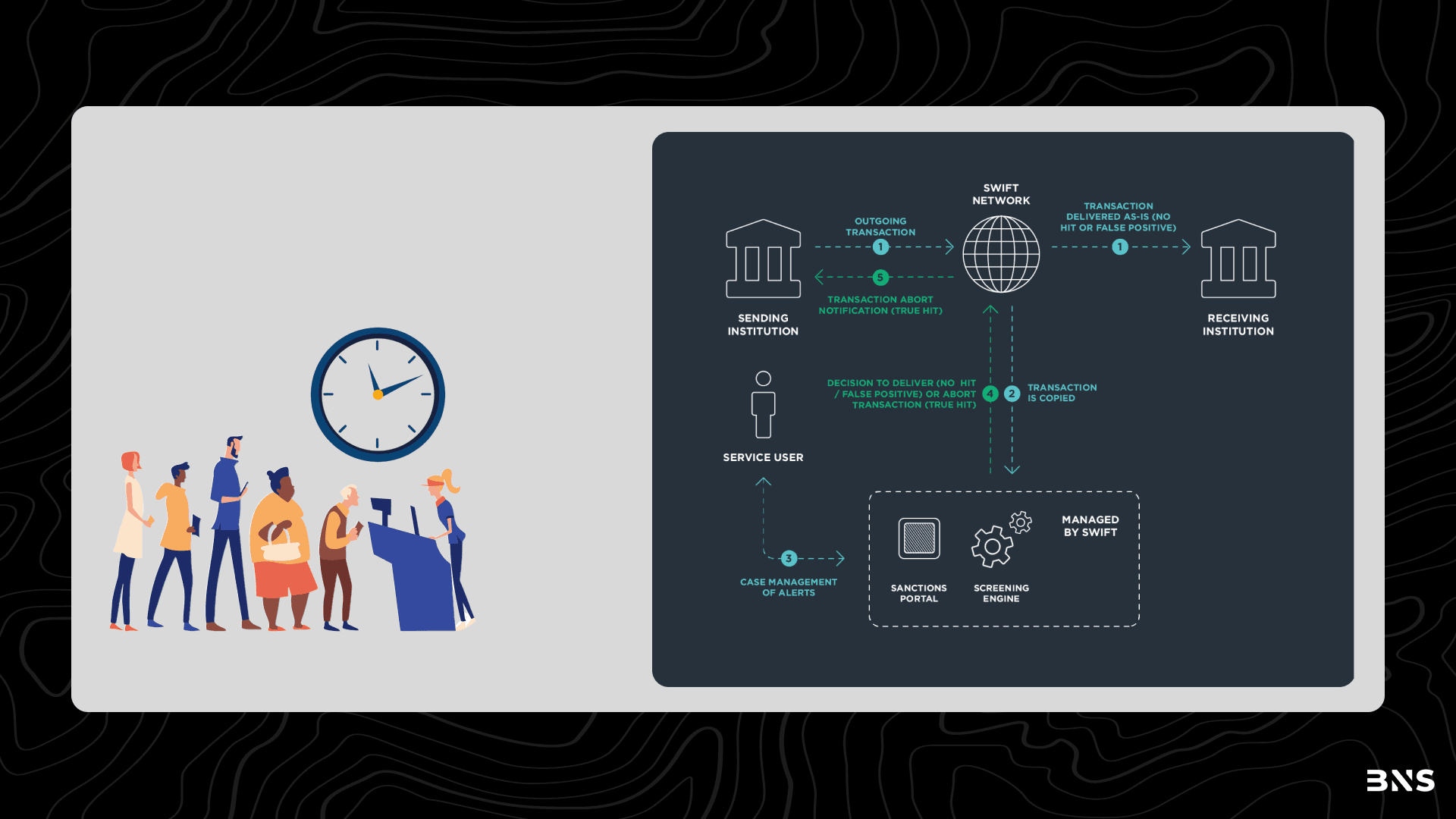
Traditional finance (TradFi) institutions run on a web of legacy systems — fragmented, opaque, and riddled with middlemen. Trade settlements, custodian layers, clearing houses, off-chain agreements, reconciliation cycles… every step introduces time, friction, and cost.
Sure, the infrastructure was revolutionary when it started. But today, it’s just sluggish. The execution isn’t just slow — it’s misaligned with the pace of modern markets. And more importantly, it’s exclusive. You need credentials, capital, and connections to even get a seat at the table.
DeFi: Open Execution for an Open World
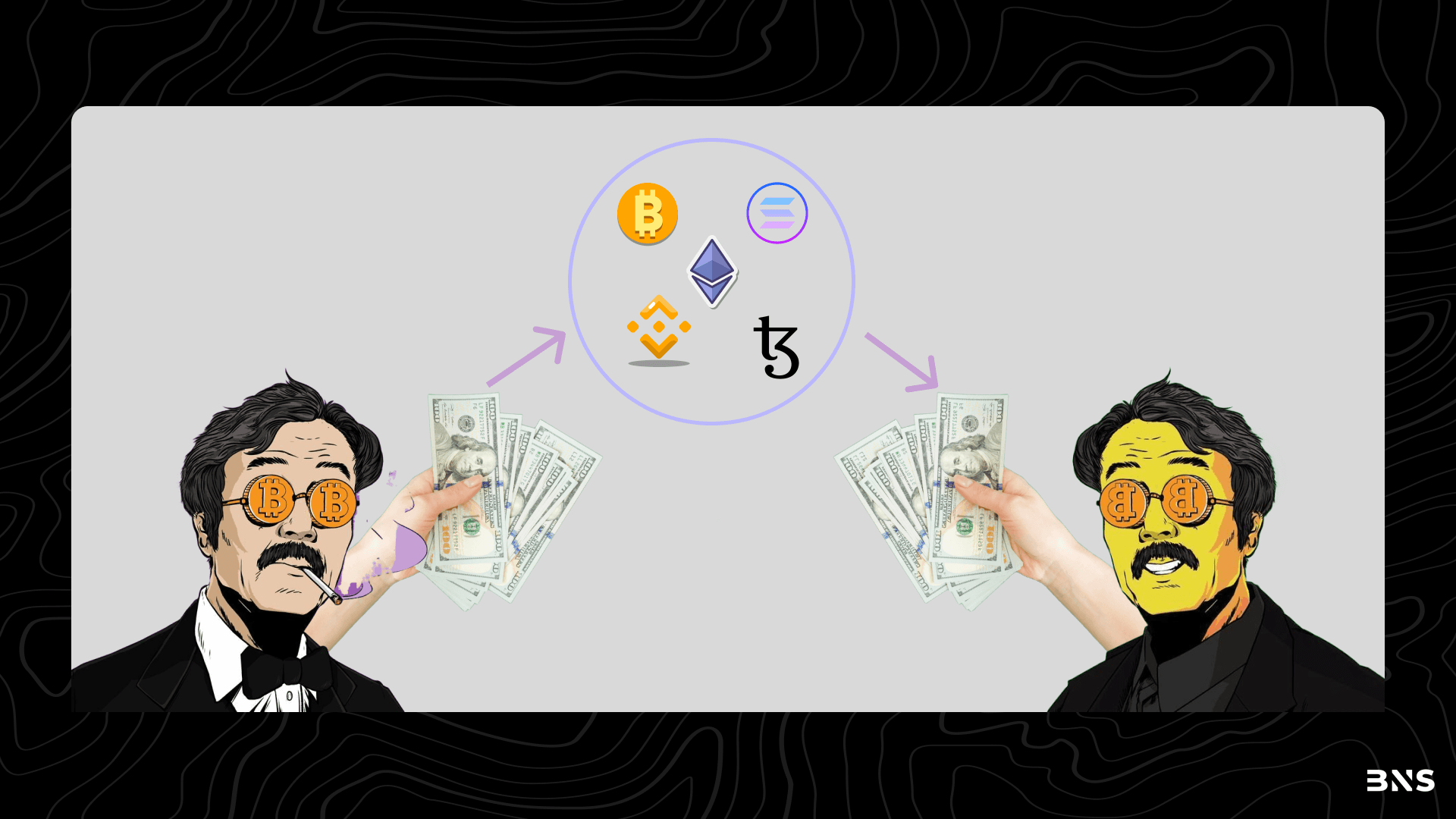
In DeFi, the rules are code, and the gatekeepers are none (I mean, there are gatekeepers for security, but no middlemen ; )). Anyone with a wallet and an internet connection can trade, lend, borrow, provide liquidity, or build financial products on top of open protocols.
This isn’t an idea on the fringe anymore. The numbers speak for themselves:
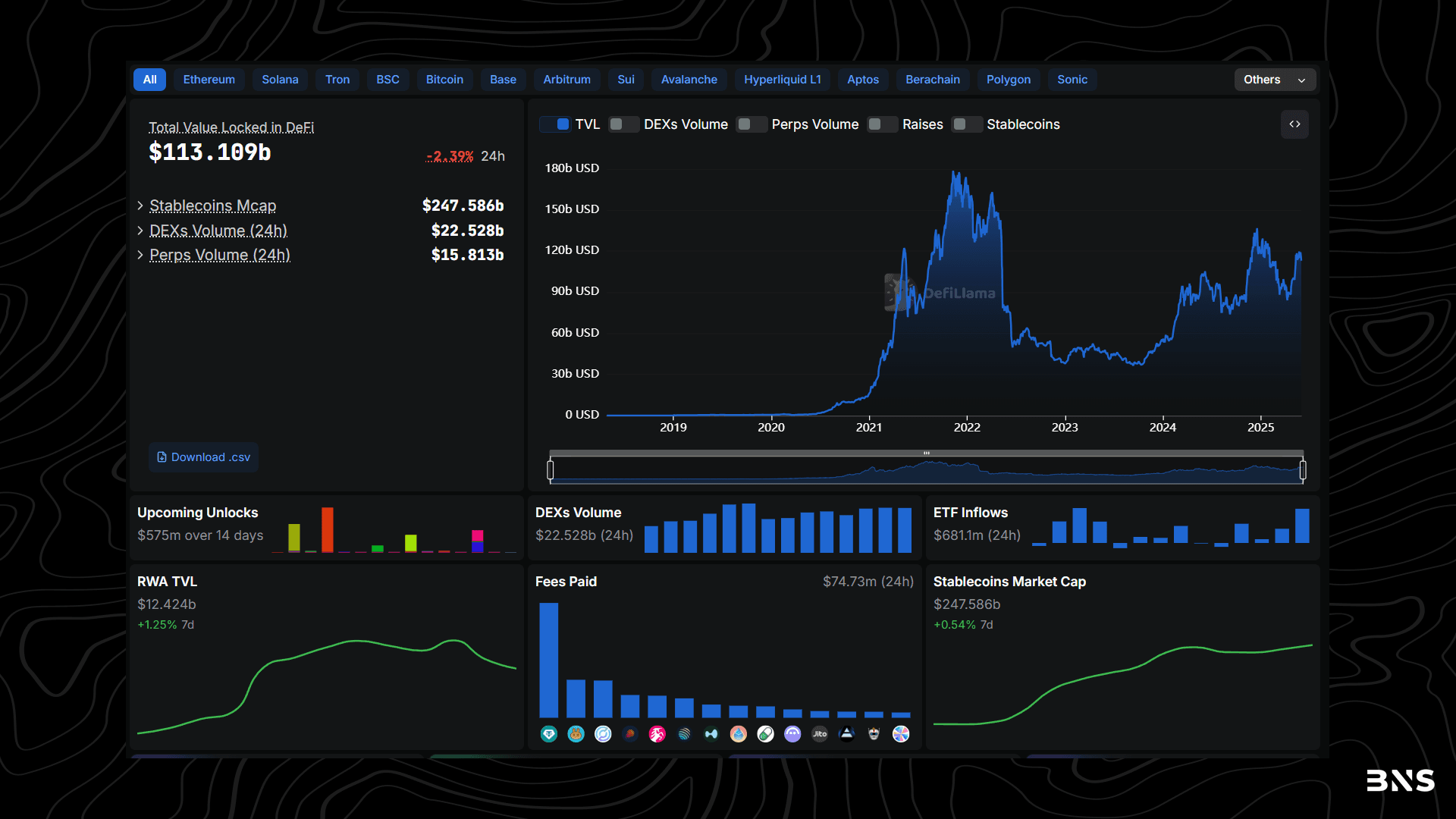
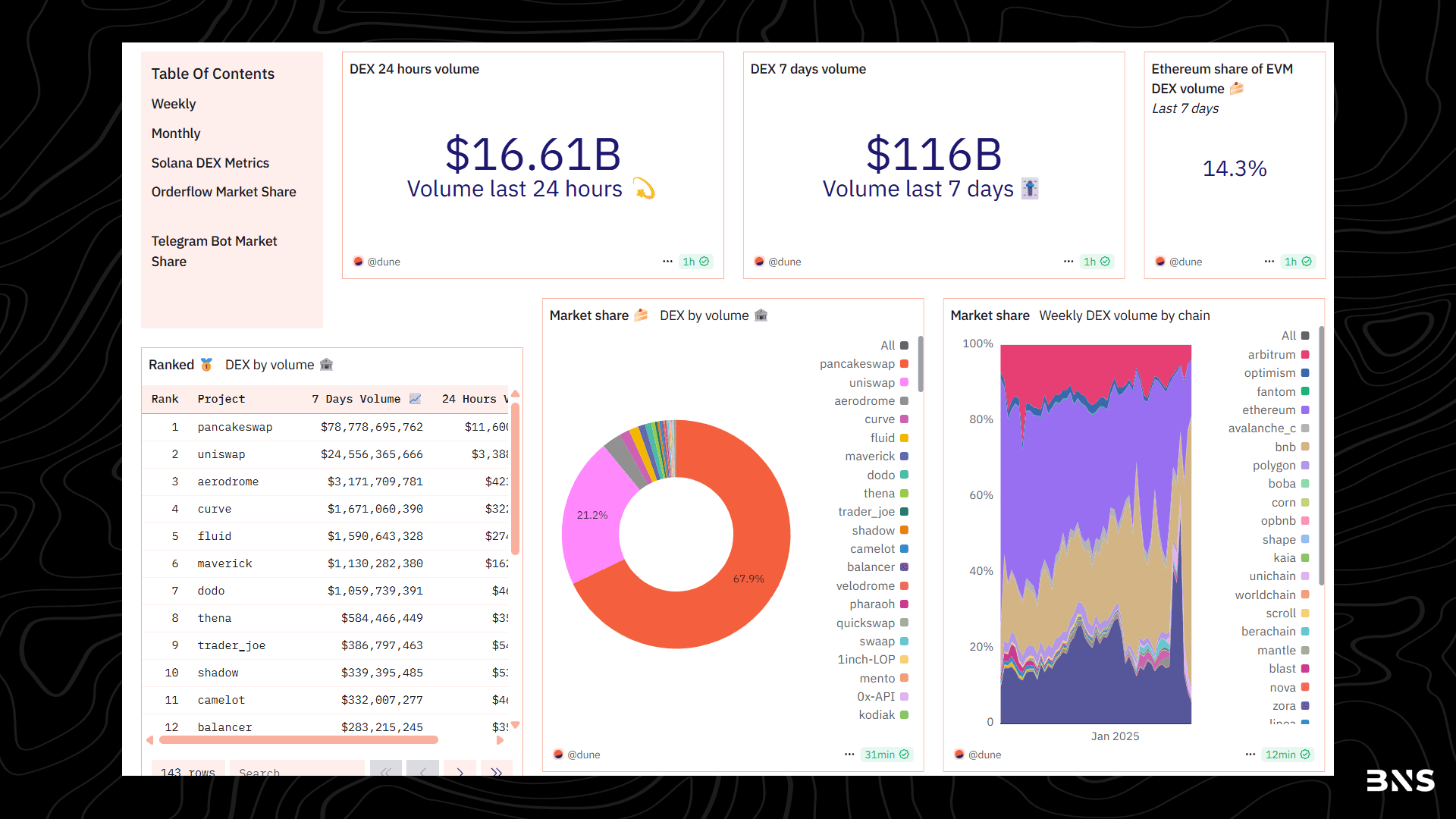
- $113B+ in Total Value Locked (TVL) across DeFi protocols (as of May 2025).
- Tens of millions of wallets have interacted with smart contracts on Ethereum, Solana, and other chains.
- Protocols like Aave, Curve, MakerDAO, and Uniswap now serve roles that mirror (and in some ways outperform) traditional banks, money markets, and exchanges.
But this isn’t just about money moving in. It’s about how it moves. The operating model of DeFi is fundamentally different. And that’s the edge.
Code Over Committee
In TradFi, trade execution is an afterthought; in DeFi, it’s the heart of the product. Execution logic is written into smart contracts — automated, trustless, and auditable. Capital can be deployed programmatically. Liquidity can be incentivized transparently. Market access is algorithmic.
This enables an entirely new class of financial interaction:
- 24/7 markets: No open/close bells.
- Global accessibility: No KYC wall blocking retail in Argentina from participating in markets in the U.S.
- Composable products: Protocols can be stacked like Lego blocks.
Of course, this doesn’t come without risks. But the design space is bigger. And when the design space is bigger, innovation flows faster.
The Money Flow Is Real
Let’s talk capital.
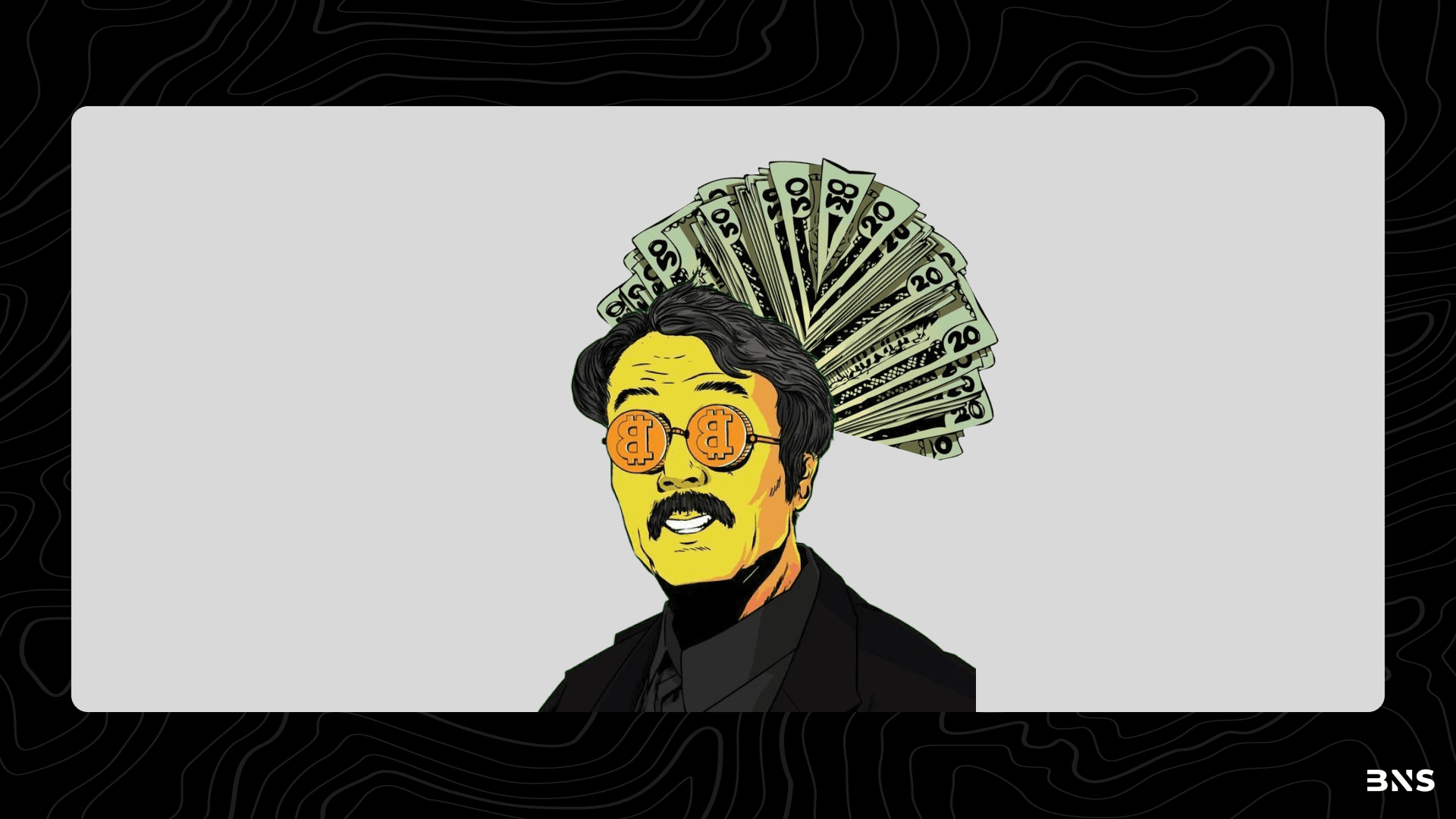
Institutions and sophisticated investors are no longer just watching from the sidelines. They’re entering the ecosystem — directly or via proxies — to capture yield, hedge risk, or participate in governance. From JPMorgan’s experiments with on-chain assets to BlackRock dipping into tokenized treasuries, the line between TradFi and DeFi is getting blurrier by the day.
But it’s not just about TradFi adapting. It’s about a new ecosystem growing with different rules.
And nowhere is this transformation more visible than in exchanges — the place where markets are made.
A Teaser for What’s Next
If DeFi is reimagining finance from first principles, then decentralized exchanges (DEXs) are its most expressive product category.
In the next article, we’ll move past the bird’s-eye view and deep-dive into the world of DEXs and Automated Market Makers (AMMs) — how they work, what they solve, and why they might just be the new backbone of global liquidity.
The streets are changing. The markets are waking up.
And Wall Street? It’s listening!
Originally published on Substack, 1 June 2025.